

When love hurts: how childhood shapes the way we relate
When love hurts: how childhood shapes the way we relate
Nov 6, 2025
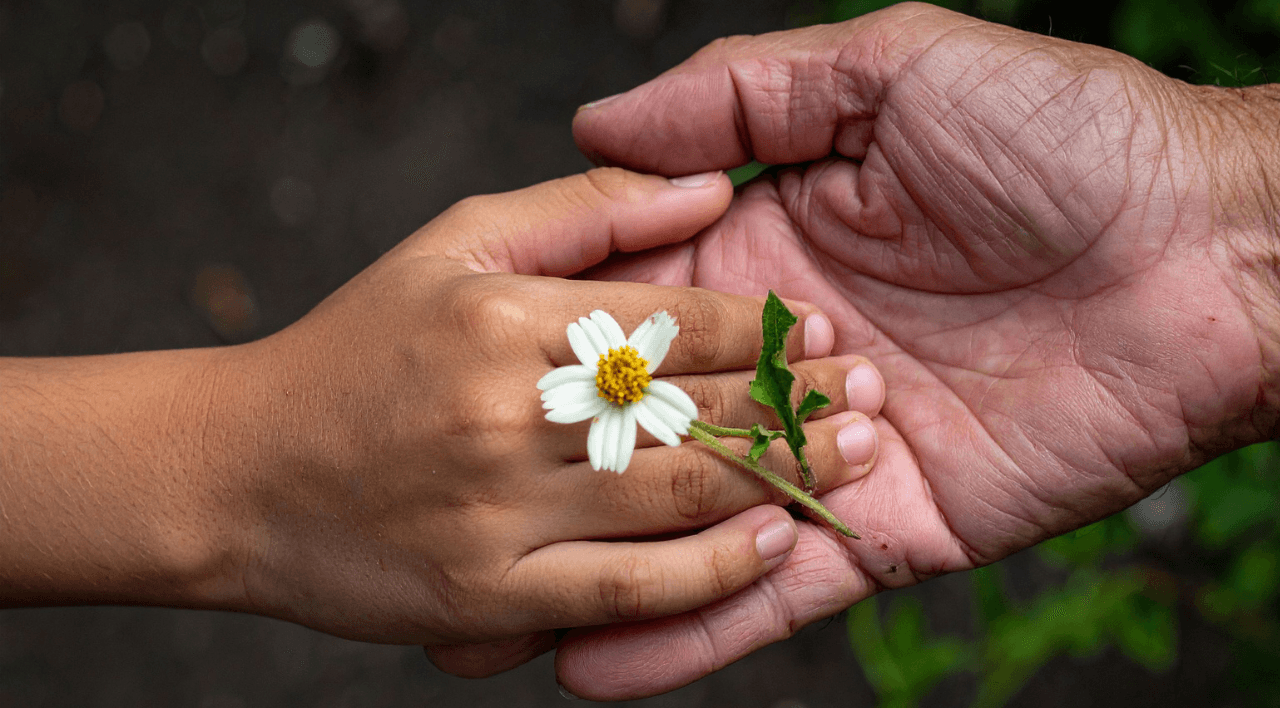
Love should feel like a safe place.
But for many, loving has become a constant struggle, fear of abandonment, need for control, emotional dependence, or difficulty trusting.
Why does this happen? Because we learned how to love in childhood, long before we were aware of it.
What we experienced with those who cared for us (or didn’t) became the mold through which we now build our relationships.
Childhood taught us what to expect from others and what to believe about ourselves.
The marks childhood leaves on love
If you were ignored…
You learned to work hard to be seen.
Today, you may love from anxiety: fear of being left, needing quick answers, or feeling like you’re never enough.
If closeness felt dangerous…
If your caregivers were cold, unpredictable, or aggressive, love may now feel risky.
You might love from distance: avoiding commitment, withdrawing emotionally, or becoming excessively self-reliant.
If you were made responsible for others’ well-being…
You learned to care in order to be loved.
Now, you may love through self-sacrifice: putting others’ needs before your own and struggling to ask for support.
If you only received love when you “performed well”…
You learned that love must be earned, not deserved.
Today, you might love from self-demand: fear of disappointing others, perfectionism, or constant people-pleasing.
What adult love tries to repair
Our relationships are the stage where childhood wounds return in search of resolution.
We don’t repeat patterns because we want to suffer.
We repeat them because a part of us is still trying to get what was missing:
✨ safety
✨ emotional care
✨ attention
✨ validation
✨ unconditional affection
The problem is that trying to find it from the wound… hurts.
What if we started loving differently?
Healing doesn’t mean blaming our parents.
It means taking responsibility for how those experiences live within us today.
Here are 4 steps to transform love from within:
1️⃣ Recognize your pattern
How do you usually connect — with anxiety, avoidance, or control? Naming it gives you power.
2️⃣ Learn to set boundaries and ask for what you need
Healthy love is negotiated, not guessed.
3️⃣ Care for your inner child
Give yourself today what you once needed: calm, listening, comfort, time.
4️⃣ Choose not to repeat what hurt you
The love you give can be different from the love you received.
Love is also learned
If love hurts, it’s not because you were born broken.
It’s because you were taught a kind of love that required you to survive.
Today, you can choose a love that allows you to live.
A love that doesn’t hurt.
A love where you, too, belong. 💙
Love should feel like a safe place.
But for many, loving has become a constant struggle, fear of abandonment, need for control, emotional dependence, or difficulty trusting.
Why does this happen? Because we learned how to love in childhood, long before we were aware of it.
What we experienced with those who cared for us (or didn’t) became the mold through which we now build our relationships.
Childhood taught us what to expect from others and what to believe about ourselves.
The marks childhood leaves on love
If you were ignored…
You learned to work hard to be seen.
Today, you may love from anxiety: fear of being left, needing quick answers, or feeling like you’re never enough.
If closeness felt dangerous…
If your caregivers were cold, unpredictable, or aggressive, love may now feel risky.
You might love from distance: avoiding commitment, withdrawing emotionally, or becoming excessively self-reliant.
If you were made responsible for others’ well-being…
You learned to care in order to be loved.
Now, you may love through self-sacrifice: putting others’ needs before your own and struggling to ask for support.
If you only received love when you “performed well”…
You learned that love must be earned, not deserved.
Today, you might love from self-demand: fear of disappointing others, perfectionism, or constant people-pleasing.
What adult love tries to repair
Our relationships are the stage where childhood wounds return in search of resolution.
We don’t repeat patterns because we want to suffer.
We repeat them because a part of us is still trying to get what was missing:
✨ safety
✨ emotional care
✨ attention
✨ validation
✨ unconditional affection
The problem is that trying to find it from the wound… hurts.
What if we started loving differently?
Healing doesn’t mean blaming our parents.
It means taking responsibility for how those experiences live within us today.
Here are 4 steps to transform love from within:
1️⃣ Recognize your pattern
How do you usually connect — with anxiety, avoidance, or control? Naming it gives you power.
2️⃣ Learn to set boundaries and ask for what you need
Healthy love is negotiated, not guessed.
3️⃣ Care for your inner child
Give yourself today what you once needed: calm, listening, comfort, time.
4️⃣ Choose not to repeat what hurt you
The love you give can be different from the love you received.
Love is also learned
If love hurts, it’s not because you were born broken.
It’s because you were taught a kind of love that required you to survive.
Today, you can choose a love that allows you to live.
A love that doesn’t hurt.
A love where you, too, belong. 💙
Love should feel like a safe place.
But for many, loving has become a constant struggle, fear of abandonment, need for control, emotional dependence, or difficulty trusting.
Why does this happen? Because we learned how to love in childhood, long before we were aware of it.
What we experienced with those who cared for us (or didn’t) became the mold through which we now build our relationships.
Childhood taught us what to expect from others and what to believe about ourselves.
The marks childhood leaves on love
If you were ignored…
You learned to work hard to be seen.
Today, you may love from anxiety: fear of being left, needing quick answers, or feeling like you’re never enough.
If closeness felt dangerous…
If your caregivers were cold, unpredictable, or aggressive, love may now feel risky.
You might love from distance: avoiding commitment, withdrawing emotionally, or becoming excessively self-reliant.
If you were made responsible for others’ well-being…
You learned to care in order to be loved.
Now, you may love through self-sacrifice: putting others’ needs before your own and struggling to ask for support.
If you only received love when you “performed well”…
You learned that love must be earned, not deserved.
Today, you might love from self-demand: fear of disappointing others, perfectionism, or constant people-pleasing.
What adult love tries to repair
Our relationships are the stage where childhood wounds return in search of resolution.
We don’t repeat patterns because we want to suffer.
We repeat them because a part of us is still trying to get what was missing:
✨ safety
✨ emotional care
✨ attention
✨ validation
✨ unconditional affection
The problem is that trying to find it from the wound… hurts.
What if we started loving differently?
Healing doesn’t mean blaming our parents.
It means taking responsibility for how those experiences live within us today.
Here are 4 steps to transform love from within:
1️⃣ Recognize your pattern
How do you usually connect — with anxiety, avoidance, or control? Naming it gives you power.
2️⃣ Learn to set boundaries and ask for what you need
Healthy love is negotiated, not guessed.
3️⃣ Care for your inner child
Give yourself today what you once needed: calm, listening, comfort, time.
4️⃣ Choose not to repeat what hurt you
The love you give can be different from the love you received.
Love is also learned
If love hurts, it’s not because you were born broken.
It’s because you were taught a kind of love that required you to survive.
Today, you can choose a love that allows you to live.
A love that doesn’t hurt.
A love where you, too, belong. 💙
Love should feel like a safe place.
But for many, loving has become a constant struggle, fear of abandonment, need for control, emotional dependence, or difficulty trusting.
Why does this happen? Because we learned how to love in childhood, long before we were aware of it.
What we experienced with those who cared for us (or didn’t) became the mold through which we now build our relationships.
Childhood taught us what to expect from others and what to believe about ourselves.
The marks childhood leaves on love
If you were ignored…
You learned to work hard to be seen.
Today, you may love from anxiety: fear of being left, needing quick answers, or feeling like you’re never enough.
If closeness felt dangerous…
If your caregivers were cold, unpredictable, or aggressive, love may now feel risky.
You might love from distance: avoiding commitment, withdrawing emotionally, or becoming excessively self-reliant.
If you were made responsible for others’ well-being…
You learned to care in order to be loved.
Now, you may love through self-sacrifice: putting others’ needs before your own and struggling to ask for support.
If you only received love when you “performed well”…
You learned that love must be earned, not deserved.
Today, you might love from self-demand: fear of disappointing others, perfectionism, or constant people-pleasing.
What adult love tries to repair
Our relationships are the stage where childhood wounds return in search of resolution.
We don’t repeat patterns because we want to suffer.
We repeat them because a part of us is still trying to get what was missing:
✨ safety
✨ emotional care
✨ attention
✨ validation
✨ unconditional affection
The problem is that trying to find it from the wound… hurts.
What if we started loving differently?
Healing doesn’t mean blaming our parents.
It means taking responsibility for how those experiences live within us today.
Here are 4 steps to transform love from within:
1️⃣ Recognize your pattern
How do you usually connect — with anxiety, avoidance, or control? Naming it gives you power.
2️⃣ Learn to set boundaries and ask for what you need
Healthy love is negotiated, not guessed.
3️⃣ Care for your inner child
Give yourself today what you once needed: calm, listening, comfort, time.
4️⃣ Choose not to repeat what hurt you
The love you give can be different from the love you received.
Love is also learned
If love hurts, it’s not because you were born broken.
It’s because you were taught a kind of love that required you to survive.
Today, you can choose a love that allows you to live.
A love that doesn’t hurt.
A love where you, too, belong. 💙