

Mental health and social media: when comparing yourself disconnects you from you
Mental health and social media: when comparing yourself disconnects you from you
Jan 30, 2026
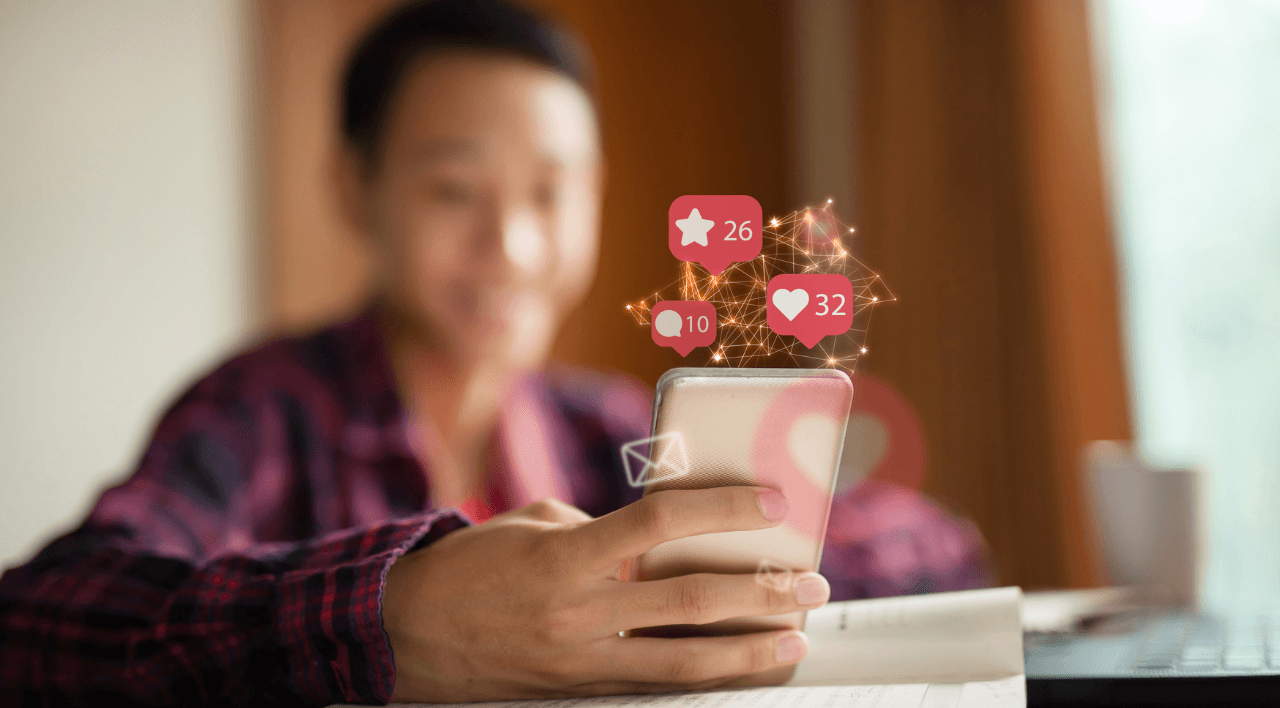
Social media is part of our everyday lives. It informs us, connects us, and entertains us. However, when its use becomes constant and automatic, it can also affect our mental health without us noticing.
Comparing yourself to others, being continuously exposed to images of “perfect lives,” and feeling like you should always be doing more can generate emotional disconnection, self-pressure, and inner discomfort.
The emotional impact of constantly comparing yourself
On social media, we usually see only one part of reality: achievements, ideal bodies, travel, happy relationships, and visible success. This repeated exposure can lead to:
Feelings of insufficiency or low self-esteem.
Constant self-pressure and the need to “be better.”
Guilt for not living “like everyone else.”
Anxiety, frustration, or emotional exhaustion.
Disconnection from your own process and needs.
Comparing yourself doesn’t always motivate you; many times, it pulls you away from your own rhythm.
When consumption becomes automatic
Endless scrolling, constantly checking notifications, or measuring your worth in likes can lead you to live more focused on the outside than on the inside. Little by little, your attention fragments and your emotional well-being is affected.
Tool 1: conscious digital boundaries
Setting boundaries doesn’t mean eliminating social media, but using it with intention:
Set specific times to check social media.
Avoid using it as soon as you wake up or before going to sleep.
Mute or unfollow accounts that cause you discomfort.
Prioritize content that brings calm, information, or well-being.
Choosing what you consume is also a form of self-care.
Tool 2: conscious consumption exercise
Before opening a social media app, ask yourself:
Why am I going to enter right now?
How do I feel before doing it?
How do I feel after 10 minutes?
If you notice that you leave feeling more tired, anxious, or comparing yourself, it’s a sign to pause and reconnect with yourself.
Coming back to yourself amid digital noise
At BeFree, we believe that your value is not measured by followers, comparisons, or external validation. Taking care of your mental health also means protecting your attention and your inner world.
Remember: your process doesn’t need to look perfect to be valid 💙
Social media is part of our everyday lives. It informs us, connects us, and entertains us. However, when its use becomes constant and automatic, it can also affect our mental health without us noticing.
Comparing yourself to others, being continuously exposed to images of “perfect lives,” and feeling like you should always be doing more can generate emotional disconnection, self-pressure, and inner discomfort.
The emotional impact of constantly comparing yourself
On social media, we usually see only one part of reality: achievements, ideal bodies, travel, happy relationships, and visible success. This repeated exposure can lead to:
Feelings of insufficiency or low self-esteem.
Constant self-pressure and the need to “be better.”
Guilt for not living “like everyone else.”
Anxiety, frustration, or emotional exhaustion.
Disconnection from your own process and needs.
Comparing yourself doesn’t always motivate you; many times, it pulls you away from your own rhythm.
When consumption becomes automatic
Endless scrolling, constantly checking notifications, or measuring your worth in likes can lead you to live more focused on the outside than on the inside. Little by little, your attention fragments and your emotional well-being is affected.
Tool 1: conscious digital boundaries
Setting boundaries doesn’t mean eliminating social media, but using it with intention:
Set specific times to check social media.
Avoid using it as soon as you wake up or before going to sleep.
Mute or unfollow accounts that cause you discomfort.
Prioritize content that brings calm, information, or well-being.
Choosing what you consume is also a form of self-care.
Tool 2: conscious consumption exercise
Before opening a social media app, ask yourself:
Why am I going to enter right now?
How do I feel before doing it?
How do I feel after 10 minutes?
If you notice that you leave feeling more tired, anxious, or comparing yourself, it’s a sign to pause and reconnect with yourself.
Coming back to yourself amid digital noise
At BeFree, we believe that your value is not measured by followers, comparisons, or external validation. Taking care of your mental health also means protecting your attention and your inner world.
Remember: your process doesn’t need to look perfect to be valid 💙
Social media is part of our everyday lives. It informs us, connects us, and entertains us. However, when its use becomes constant and automatic, it can also affect our mental health without us noticing.
Comparing yourself to others, being continuously exposed to images of “perfect lives,” and feeling like you should always be doing more can generate emotional disconnection, self-pressure, and inner discomfort.
The emotional impact of constantly comparing yourself
On social media, we usually see only one part of reality: achievements, ideal bodies, travel, happy relationships, and visible success. This repeated exposure can lead to:
Feelings of insufficiency or low self-esteem.
Constant self-pressure and the need to “be better.”
Guilt for not living “like everyone else.”
Anxiety, frustration, or emotional exhaustion.
Disconnection from your own process and needs.
Comparing yourself doesn’t always motivate you; many times, it pulls you away from your own rhythm.
When consumption becomes automatic
Endless scrolling, constantly checking notifications, or measuring your worth in likes can lead you to live more focused on the outside than on the inside. Little by little, your attention fragments and your emotional well-being is affected.
Tool 1: conscious digital boundaries
Setting boundaries doesn’t mean eliminating social media, but using it with intention:
Set specific times to check social media.
Avoid using it as soon as you wake up or before going to sleep.
Mute or unfollow accounts that cause you discomfort.
Prioritize content that brings calm, information, or well-being.
Choosing what you consume is also a form of self-care.
Tool 2: conscious consumption exercise
Before opening a social media app, ask yourself:
Why am I going to enter right now?
How do I feel before doing it?
How do I feel after 10 minutes?
If you notice that you leave feeling more tired, anxious, or comparing yourself, it’s a sign to pause and reconnect with yourself.
Coming back to yourself amid digital noise
At BeFree, we believe that your value is not measured by followers, comparisons, or external validation. Taking care of your mental health also means protecting your attention and your inner world.
Remember: your process doesn’t need to look perfect to be valid 💙
Social media is part of our everyday lives. It informs us, connects us, and entertains us. However, when its use becomes constant and automatic, it can also affect our mental health without us noticing.
Comparing yourself to others, being continuously exposed to images of “perfect lives,” and feeling like you should always be doing more can generate emotional disconnection, self-pressure, and inner discomfort.
The emotional impact of constantly comparing yourself
On social media, we usually see only one part of reality: achievements, ideal bodies, travel, happy relationships, and visible success. This repeated exposure can lead to:
Feelings of insufficiency or low self-esteem.
Constant self-pressure and the need to “be better.”
Guilt for not living “like everyone else.”
Anxiety, frustration, or emotional exhaustion.
Disconnection from your own process and needs.
Comparing yourself doesn’t always motivate you; many times, it pulls you away from your own rhythm.
When consumption becomes automatic
Endless scrolling, constantly checking notifications, or measuring your worth in likes can lead you to live more focused on the outside than on the inside. Little by little, your attention fragments and your emotional well-being is affected.
Tool 1: conscious digital boundaries
Setting boundaries doesn’t mean eliminating social media, but using it with intention:
Set specific times to check social media.
Avoid using it as soon as you wake up or before going to sleep.
Mute or unfollow accounts that cause you discomfort.
Prioritize content that brings calm, information, or well-being.
Choosing what you consume is also a form of self-care.
Tool 2: conscious consumption exercise
Before opening a social media app, ask yourself:
Why am I going to enter right now?
How do I feel before doing it?
How do I feel after 10 minutes?
If you notice that you leave feeling more tired, anxious, or comparing yourself, it’s a sign to pause and reconnect with yourself.
Coming back to yourself amid digital noise
At BeFree, we believe that your value is not measured by followers, comparisons, or external validation. Taking care of your mental health also means protecting your attention and your inner world.
Remember: your process doesn’t need to look perfect to be valid 💙