Learning to be with yourself without feeling lonely
Dec 12, 2025
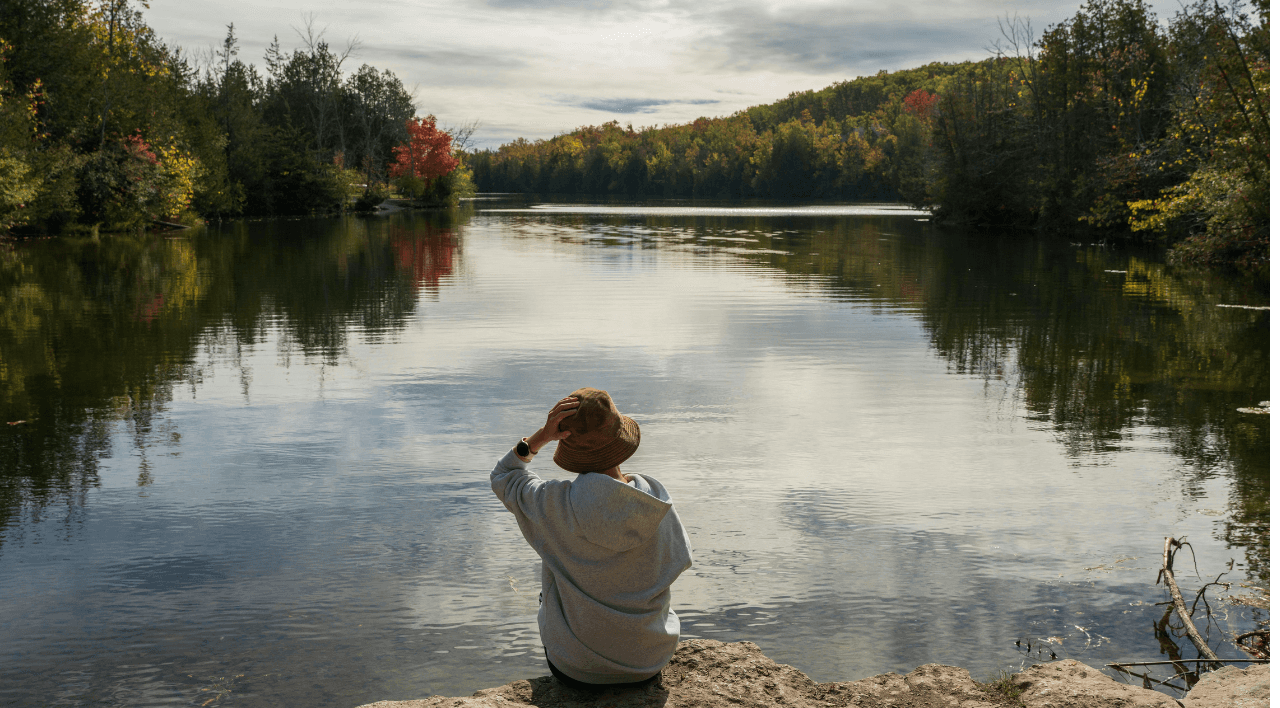
Being alone is not the same as feeling lonely.
Many people can be surrounded by others and still feel empty, while others, in silence, manage to feel at peace with themselves. Learning to be with yourself is an emotional skill many of us were never taught, yet it is essential for mental and emotional well-being.
Why is it so uncomfortable to be alone?
From a young age, we learn to look outward for what we don’t know how to give ourselves inwardly: company, validation, distraction, affection.
When the external noise fades, we are left with ourselves, and that can bring fear, anxiety, or discomfort.
Being alone can activate thoughts like:
“If I’m alone, something is missing.”
“I need someone to feel okay.”
“Being alone means being abandoned.”
But solitude isn’t always an absence, sometimes it is an opportunity.
The difference between loneliness and self-connection
Painful loneliness comes from inner disconnection.
When we don’t know how to listen to ourselves, validate ourselves, or be emotionally present for ourselves, we constantly seek to fill that emptiness through people, activities, or stimulation.
Learning to be with yourself means:
Listening to what you feel without running away
Being present with yourself without demanding perfection
Validating your emotions
Enjoying your own company
It’s not about isolating yourself, it’s about inhabiting yourself.
Signs that being with yourself is difficult
You always need to stay busy
Silence makes you uncomfortable
You seek company out of fear, not desire
You feel empty when there are no distractions
You struggle to enjoy moments alone
These signs aren’t flaws, they are invitations to pay closer attention to yourself.
How to start enjoying your own company
Create moments of chosen solitude
Don’t wait to be alone out of obligation. Choose small moments just for you: a walk, a coffee, a quiet pause.
Listen without judgment
When thoughts or emotions appear, observe them without criticizing yourself. Being with yourself isn’t about correcting, it’s about accompanying.
Do things that reconnect you with you
Read, write, listen to music, meditate, or simply breathe consciously. Choose activities that bring you closer to yourself, not those that distract you from yourself.
4. Speak to yourself kindly
The way you talk to yourself when you’re alone defines how you feel with yourself. Practice a more compassionate inner dialogue.
Recognize that you are not incomplete
Your worth doesn’t depend on others’ presence. Sharing life with someone is beautiful, but it should not be your only source of well-being.
Being with yourself is a form of self-love
Learning to be with yourself without feeling lonely means building a safe relationship within. It means knowing that even in silence, there is presence, and even in stillness, there is companionship.
When you become a good place for yourself, loneliness stops hurting and becomes rest.
Because in the end, the longest and most important relationship you will ever have is the one you have with yourself.
Learning to be with yourself without feeling lonely
Dec 12, 2025
Being alone is not the same as feeling lonely.
Many people can be surrounded by others and still feel empty, while others, in silence, manage to feel at peace with themselves. Learning to be with yourself is an emotional skill many of us were never taught, yet it is essential for mental and emotional well-being.
Why is it so uncomfortable to be alone?
From a young age, we learn to look outward for what we don’t know how to give ourselves inwardly: company, validation, distraction, affection.
When the external noise fades, we are left with ourselves, and that can bring fear, anxiety, or discomfort.
Being alone can activate thoughts like:
“If I’m alone, something is missing.”
“I need someone to feel okay.”
“Being alone means being abandoned.”
But solitude isn’t always an absence, sometimes it is an opportunity.
The difference between loneliness and self-connection
Painful loneliness comes from inner disconnection.
When we don’t know how to listen to ourselves, validate ourselves, or be emotionally present for ourselves, we constantly seek to fill that emptiness through people, activities, or stimulation.
Learning to be with yourself means:
Listening to what you feel without running away
Being present with yourself without demanding perfection
Validating your emotions
Enjoying your own company
It’s not about isolating yourself, it’s about inhabiting yourself.
Signs that being with yourself is difficult
You always need to stay busy
Silence makes you uncomfortable
You seek company out of fear, not desire
You feel empty when there are no distractions
You struggle to enjoy moments alone
These signs aren’t flaws, they are invitations to pay closer attention to yourself.
How to start enjoying your own company
Create moments of chosen solitude
Don’t wait to be alone out of obligation. Choose small moments just for you: a walk, a coffee, a quiet pause.
Listen without judgment
When thoughts or emotions appear, observe them without criticizing yourself. Being with yourself isn’t about correcting, it’s about accompanying.
Do things that reconnect you with you
Read, write, listen to music, meditate, or simply breathe consciously. Choose activities that bring you closer to yourself, not those that distract you from yourself.
4. Speak to yourself kindly
The way you talk to yourself when you’re alone defines how you feel with yourself. Practice a more compassionate inner dialogue.
Recognize that you are not incomplete
Your worth doesn’t depend on others’ presence. Sharing life with someone is beautiful, but it should not be your only source of well-being.
Being with yourself is a form of self-love
Learning to be with yourself without feeling lonely means building a safe relationship within. It means knowing that even in silence, there is presence, and even in stillness, there is companionship.
When you become a good place for yourself, loneliness stops hurting and becomes rest.
Because in the end, the longest and most important relationship you will ever have is the one you have with yourself.