How to manage anxiety when quitting nicotine
May 19, 2026
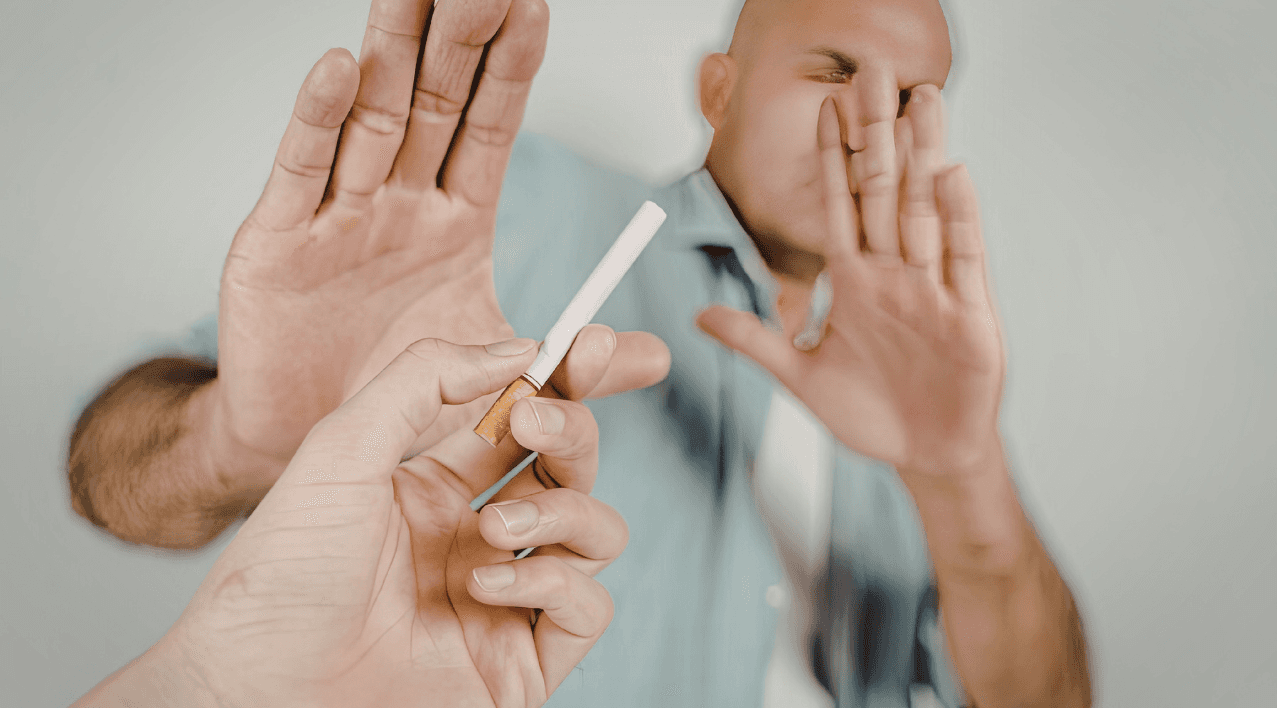
Quitting nicotine does not only involve breaking a physical habit, it also means facing emotions, thoughts, and sensations that were often being “covered” by the use of nicotine. That is why, during the process of quitting vaping or smoking, it is common to feel more anxiety, irritability, or restlessness.
Although it may feel uncomfortable, this does not mean you are going backward. Your body and mind are learning to regulate themselves in a different way.
Why does anxiety appear when quitting nicotine?
Nicotine creates dependence because it activates substances related to feelings of relief and reward. When consumption decreases or stops, the nervous system needs time to adapt.
During this process, the following may appear:
Anxiety or nervousness
Irritability
Physical restlessness
Mood changes
Difficulty concentrating
Strong cravings to use nicotine
These symptoms are usually temporary.
Anxiety does not mean you cannot do it
Many people return to nicotine because they believe the anxiety “will never go away.” However, the discomfort gradually decreases as the body starts getting used to functioning without nicotine.
You do not need to do it perfectly; you need to do it step by step.
What can help you during the process
✔️ Breathe before reacting
When the urge to use appears, try pausing and taking a deep breath.
✔️ Identify your triggers
Stress, boredom, anxiety, or certain environments may increase the urge to use nicotine.
✔️ Replace the habit
Drinking water, walking for a few minutes, or moving your hands can help regulate the urge.
✔️ Avoid punishing yourself
If you relapse, it does not mean failure. Change also includes learning.
✔️ Seek support
Talking with professionals or trusted people can help you through the process.
🌿 Brief exercise to regulate anxiety
When you feel anxious or have the urge to use nicotine:
Inhale deeply through your nose for 4 seconds
Exhale slowly through your mouth for 6 seconds
Repeat 5 times while focusing your attention on your breathing
Remember: the urge passes, even if it feels very intense in the moment.
Quitting nicotine is also a way of caring for yourself
Every small step matters. Beyond quitting a substance, you are learning new ways to manage your emotions and care for your well-being.
How to manage anxiety when quitting nicotine
May 19, 2026
Quitting nicotine does not only involve breaking a physical habit, it also means facing emotions, thoughts, and sensations that were often being “covered” by the use of nicotine. That is why, during the process of quitting vaping or smoking, it is common to feel more anxiety, irritability, or restlessness.
Although it may feel uncomfortable, this does not mean you are going backward. Your body and mind are learning to regulate themselves in a different way.
Why does anxiety appear when quitting nicotine?
Nicotine creates dependence because it activates substances related to feelings of relief and reward. When consumption decreases or stops, the nervous system needs time to adapt.
During this process, the following may appear:
Anxiety or nervousness
Irritability
Physical restlessness
Mood changes
Difficulty concentrating
Strong cravings to use nicotine
These symptoms are usually temporary.
Anxiety does not mean you cannot do it
Many people return to nicotine because they believe the anxiety “will never go away.” However, the discomfort gradually decreases as the body starts getting used to functioning without nicotine.
You do not need to do it perfectly; you need to do it step by step.
What can help you during the process
✔️ Breathe before reacting
When the urge to use appears, try pausing and taking a deep breath.
✔️ Identify your triggers
Stress, boredom, anxiety, or certain environments may increase the urge to use nicotine.
✔️ Replace the habit
Drinking water, walking for a few minutes, or moving your hands can help regulate the urge.
✔️ Avoid punishing yourself
If you relapse, it does not mean failure. Change also includes learning.
✔️ Seek support
Talking with professionals or trusted people can help you through the process.
🌿 Brief exercise to regulate anxiety
When you feel anxious or have the urge to use nicotine:
Inhale deeply through your nose for 4 seconds
Exhale slowly through your mouth for 6 seconds
Repeat 5 times while focusing your attention on your breathing
Remember: the urge passes, even if it feels very intense in the moment.
Quitting nicotine is also a way of caring for yourself
Every small step matters. Beyond quitting a substance, you are learning new ways to manage your emotions and care for your well-being.