How to control a panic attack
Apr 24, 2026
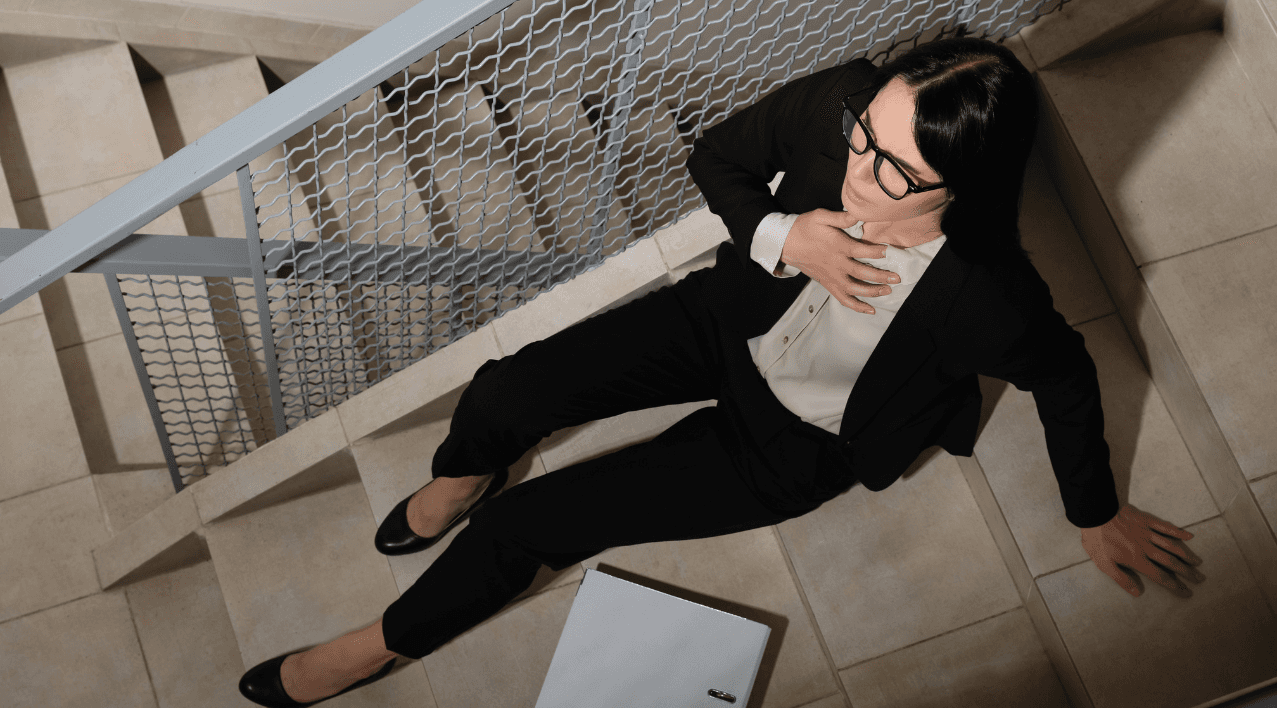
A panic attack can feel overwhelming. Your heart races, your breathing changes, and an intense sense of fear or loss of control appears. Although it feels very real, it’s important to know that it is not dangerous and it will pass.
Learning how to manage it can help you regain a sense of control in those moments.
What is happening in your body?
During a panic attack, the nervous system activates as if there were a threat, even when there is no real danger. It is an automatic body response that creates intense physical and emotional symptoms.
Understanding this can help you avoid becoming more frightened than you already feel.
What to do in the moment
When you feel an attack starting, you can try the following:
✔️ Regulate your breathing
Inhale slowly through your nose and exhale longer through your mouth. This helps calm the nervous system.
✔️ Ground yourself in the present
Look around and name 5 things you see, 4 things you can touch, and 3 things you hear. This helps anchor you in the here and now.
✔️ Speak to yourself calmly
Remind yourself: “This is anxiety, it will pass.”
✔️ Don’t fight the sensation
Trying to resist it can increase its intensity. Let it pass like a wave.
✔️ Find a comfortable position
If possible, sit or lie down and reduce stimulation.
After the attack
It is common to feel tired or emotionally sensitive. Allow yourself to rest and don’t pressure yourself to immediately return to normal.
If panic attacks are frequent, seeking professional support can help you understand their origin and learn deeper tools.
You are not losing control
Even if it feels that way, a panic attack does not mean something serious is happening. It is a body response that can be regulated with practice and support.
How to control a panic attack
Apr 24, 2026
A panic attack can feel overwhelming. Your heart races, your breathing changes, and an intense sense of fear or loss of control appears. Although it feels very real, it’s important to know that it is not dangerous and it will pass.
Learning how to manage it can help you regain a sense of control in those moments.
What is happening in your body?
During a panic attack, the nervous system activates as if there were a threat, even when there is no real danger. It is an automatic body response that creates intense physical and emotional symptoms.
Understanding this can help you avoid becoming more frightened than you already feel.
What to do in the moment
When you feel an attack starting, you can try the following:
✔️ Regulate your breathing
Inhale slowly through your nose and exhale longer through your mouth. This helps calm the nervous system.
✔️ Ground yourself in the present
Look around and name 5 things you see, 4 things you can touch, and 3 things you hear. This helps anchor you in the here and now.
✔️ Speak to yourself calmly
Remind yourself: “This is anxiety, it will pass.”
✔️ Don’t fight the sensation
Trying to resist it can increase its intensity. Let it pass like a wave.
✔️ Find a comfortable position
If possible, sit or lie down and reduce stimulation.
After the attack
It is common to feel tired or emotionally sensitive. Allow yourself to rest and don’t pressure yourself to immediately return to normal.
If panic attacks are frequent, seeking professional support can help you understand their origin and learn deeper tools.
You are not losing control
Even if it feels that way, a panic attack does not mean something serious is happening. It is a body response that can be regulated with practice and support.