

Apr 25, 2026
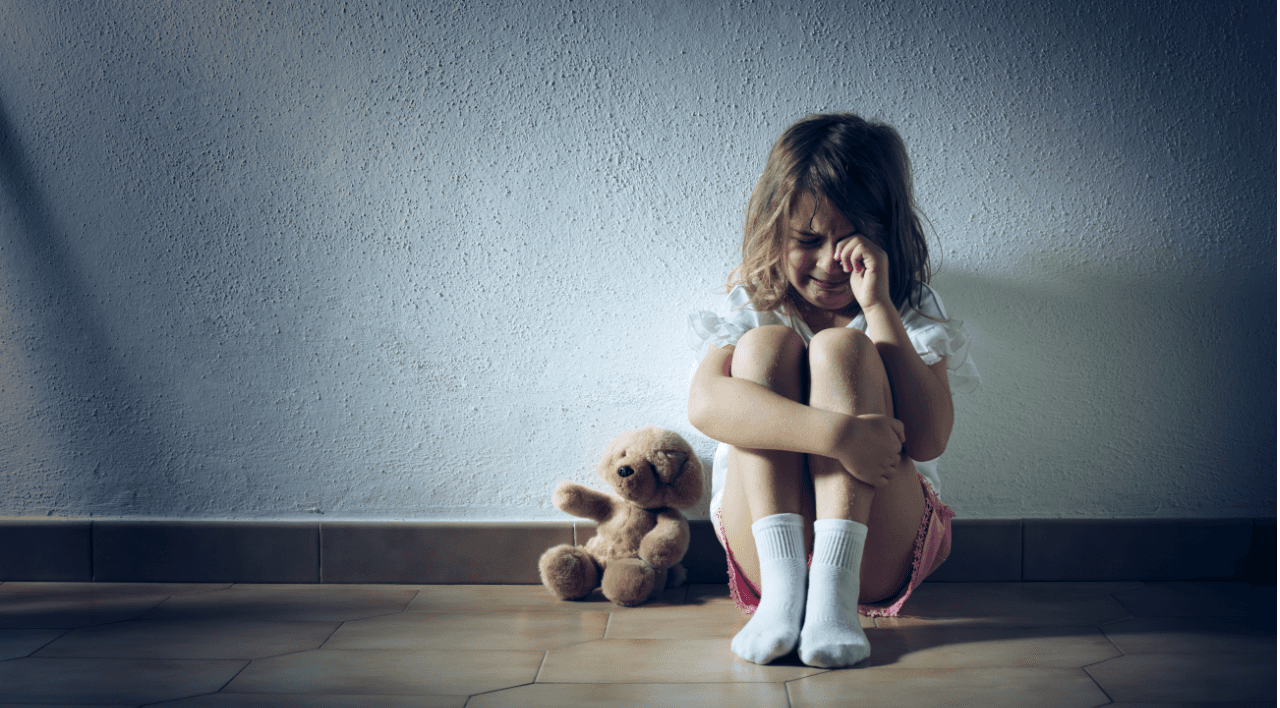
Healing from childhood sexual abuse is not a linear or quick path. It is a deep process that involves acknowledging the pain, making meaning of what happened, and rebuilding your relationship with yourself.
Most importantly: what happened was not your fault.
Many people grow up carrying emotions that are hard to understand: fear, shame, guilt, disconnection, or difficulty trusting others. These responses are not weakness; they are ways your mind and body tried to protect you.
How can it impact adult life?
Each person experiences it differently, but some common effects may include:
Difficulty trusting others
Challenges with personal boundaries
Anxiety, sadness, or a sense of emptiness
Emotional or bodily disconnection
Difficulties with intimacy or relationships
Recognizing these effects is not about reliving the pain, but about making sense of what you feel today.
Healing is possible
Although the process can be challenging, healing is possible. It does not mean erasing what happened, but integrating it without letting it define your worth or your present.
Some steps that may support this process:
✔️ Seek professional support
A safe therapeutic process can help you work through the trauma with appropriate tools.
✔️ Validate your emotions
You do not need to minimize what you feel. Everything that comes up has a reason.
✔️ Reconnect with yourself
Learning to listen to your body, your limits, and your needs is part of healing.
✔️ Break the silence
Speaking about it, when you feel ready, can be freeing.
✔️ Go at your own pace
There are no “right” timelines. Every process is unique.
Reclaiming your story with care
Healing is not about forgetting, but about no longer carrying the weight of what was never yours to hold. It is about rebuilding your identity from the present, with more awareness and compassion.
Your story is not defined by what happened to you.
At BeFree, we believe that supporting you with respect, safety, and empathy is a fundamental part of the healing process.