

Advances in AI in mental health
Advances in AI in mental health
Jul 12, 2024
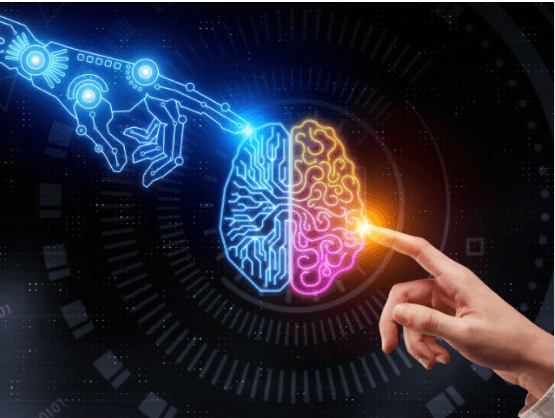
In 2024, advances in Artificial Intelligence (AI) are revolutionizing the field of mental health in several ways. Developments are focused on the following areas:
Diagnosis and Assessment:
This includes the early detection of mental disorders such as depression, anxiety, and bipolar disorder. Additionally, personalized audio assessments can be conducted to help identify the patient’s mental state.
Therapy and Treatment:
Some AI-powered applications offer digital cognitive-behavioral therapy. These services are personalized, and the therapies adapt according to the user’s responses and progress. Conversational therapy is also available, providing emotional support to help manage stress, anxiety, and other mental health issues.
Beyond these services, AI enables continuous real-time monitoring of sleep hygiene, physical activity, and other health indicators, allowing mental health professionals to track patient status consistently and adjust treatments accordingly. Furthermore, AI algorithms analyze behavioral patterns and physiological data to predict relapses in conditions such as depression, thus enabling preventive interventions.
Finally, AI provides real-time assistance for effective crisis intervention and suicide risk detection by analyzing interactions on social media and other data sources to identify warning signs that can trigger emergency responses.
These advances are making mental health care more accessible, personalized, and effective, transforming how mental disorders are diagnosed, treated, and monitored.
In 2024, advances in Artificial Intelligence (AI) are revolutionizing the field of mental health in several ways. Developments are focused on the following areas:
Diagnosis and Assessment:
This includes the early detection of mental disorders such as depression, anxiety, and bipolar disorder. Additionally, personalized audio assessments can be conducted to help identify the patient’s mental state.
Therapy and Treatment:
Some AI-powered applications offer digital cognitive-behavioral therapy. These services are personalized, and the therapies adapt according to the user’s responses and progress. Conversational therapy is also available, providing emotional support to help manage stress, anxiety, and other mental health issues.
Beyond these services, AI enables continuous real-time monitoring of sleep hygiene, physical activity, and other health indicators, allowing mental health professionals to track patient status consistently and adjust treatments accordingly. Furthermore, AI algorithms analyze behavioral patterns and physiological data to predict relapses in conditions such as depression, thus enabling preventive interventions.
Finally, AI provides real-time assistance for effective crisis intervention and suicide risk detection by analyzing interactions on social media and other data sources to identify warning signs that can trigger emergency responses.
These advances are making mental health care more accessible, personalized, and effective, transforming how mental disorders are diagnosed, treated, and monitored.
In 2024, advances in Artificial Intelligence (AI) are revolutionizing the field of mental health in several ways. Developments are focused on the following areas:
Diagnosis and Assessment:
This includes the early detection of mental disorders such as depression, anxiety, and bipolar disorder. Additionally, personalized audio assessments can be conducted to help identify the patient’s mental state.
Therapy and Treatment:
Some AI-powered applications offer digital cognitive-behavioral therapy. These services are personalized, and the therapies adapt according to the user’s responses and progress. Conversational therapy is also available, providing emotional support to help manage stress, anxiety, and other mental health issues.
Beyond these services, AI enables continuous real-time monitoring of sleep hygiene, physical activity, and other health indicators, allowing mental health professionals to track patient status consistently and adjust treatments accordingly. Furthermore, AI algorithms analyze behavioral patterns and physiological data to predict relapses in conditions such as depression, thus enabling preventive interventions.
Finally, AI provides real-time assistance for effective crisis intervention and suicide risk detection by analyzing interactions on social media and other data sources to identify warning signs that can trigger emergency responses.
These advances are making mental health care more accessible, personalized, and effective, transforming how mental disorders are diagnosed, treated, and monitored.
In 2024, advances in Artificial Intelligence (AI) are revolutionizing the field of mental health in several ways. Developments are focused on the following areas:
Diagnosis and Assessment:
This includes the early detection of mental disorders such as depression, anxiety, and bipolar disorder. Additionally, personalized audio assessments can be conducted to help identify the patient’s mental state.
Therapy and Treatment:
Some AI-powered applications offer digital cognitive-behavioral therapy. These services are personalized, and the therapies adapt according to the user’s responses and progress. Conversational therapy is also available, providing emotional support to help manage stress, anxiety, and other mental health issues.
Beyond these services, AI enables continuous real-time monitoring of sleep hygiene, physical activity, and other health indicators, allowing mental health professionals to track patient status consistently and adjust treatments accordingly. Furthermore, AI algorithms analyze behavioral patterns and physiological data to predict relapses in conditions such as depression, thus enabling preventive interventions.
Finally, AI provides real-time assistance for effective crisis intervention and suicide risk detection by analyzing interactions on social media and other data sources to identify warning signs that can trigger emergency responses.
These advances are making mental health care more accessible, personalized, and effective, transforming how mental disorders are diagnosed, treated, and monitored.